
Hoverboard Weight Limit Explained: How Much Weight Can a Hoverboard Hold?
Disha Shah
02 November 2026
20 Minutes Read
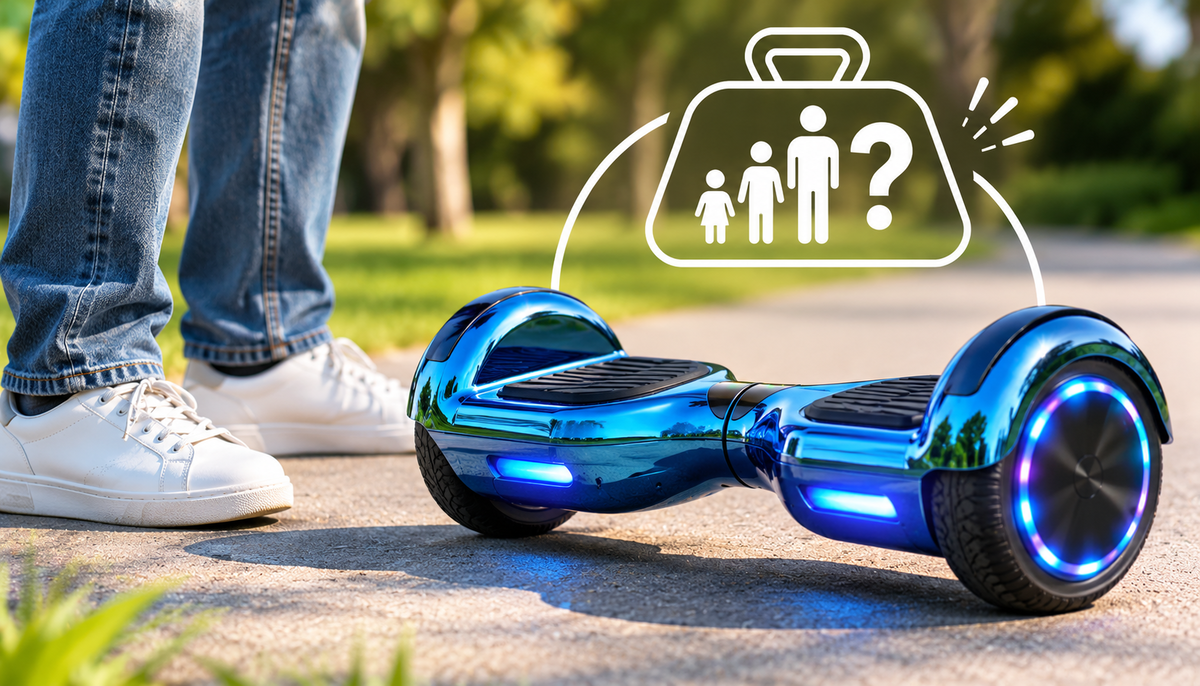
Choosing a hoverboard isn’t just about wheel size, colours, speed or LED lights. One important detail that buyers sometimes overlook is the rider’s weight.
If you’re buying a hoverboard for your child, you might be wondering whether they are heavy enough to activate the sensors. If you’re an adult looking for a hoverboard to enjoy yourself, you probably want to know how much weight the board can support without affecting its performance.
So, how much weight can a hoverboard actually hold?
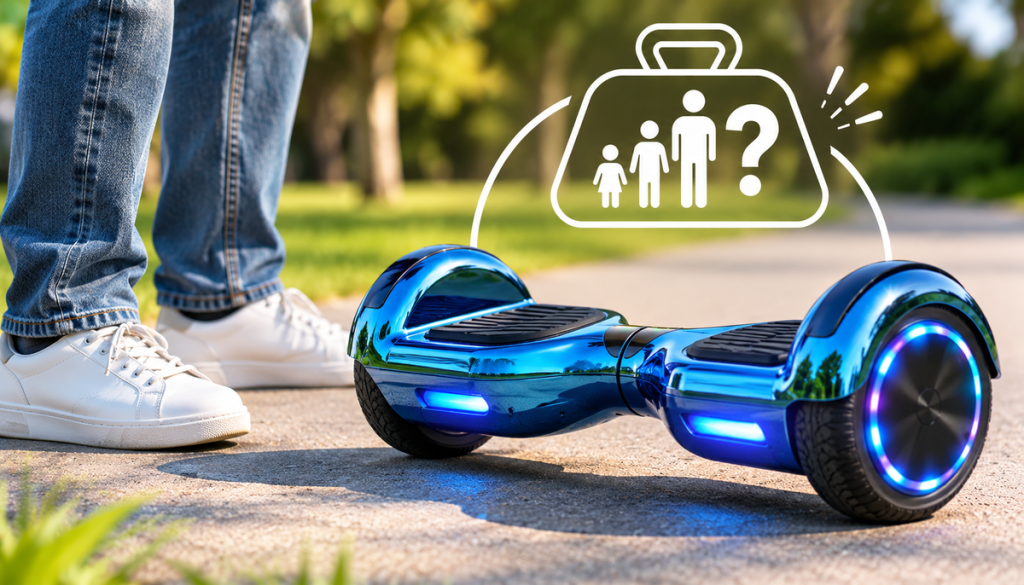
The answer depends on the model, its construction, motor system and manufacturer specifications. Some hoverboards are designed for younger, lighter riders, while others can accommodate heavier riders.
At Australia Hoverboards, we believe choosing the right model starts with understanding its specifications. In this guide, we’ll explain minimum and maximum weight limits, why they matter, what happens when a board is overloaded and how to choose a suitable hoverboard for your needs.
1. What Is the Weight Limit of a Hoverboard?
A hoverboard weight limit refers to the amount of rider weight the manufacturer recommends the device can safely support.
There are two important measurements to understand:
- Minimum weight limit: The minimum rider weight required for the hoverboard’s pressure sensors and balancing system to respond correctly.
- Maximum weight limit: The highest rider weight specified for the hoverboard’s intended operation.
Every hoverboard has its own specifications, so there isn’t one maximum weight that applies to all models.
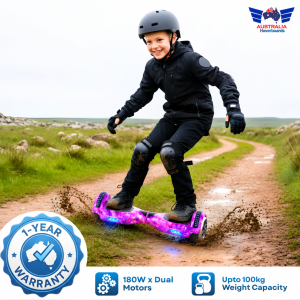
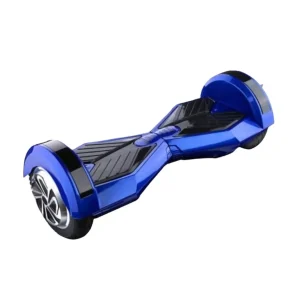
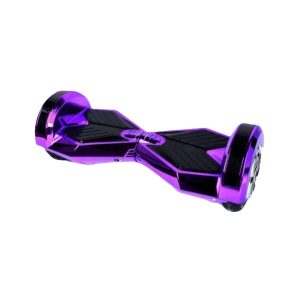
For example, the Australia Hoverboards 6.5-inch Blue Chrome model has a listed maximum weight capacity of 100 kg.
This means the model is specified for riders up to 100 kg. It doesn’t mean every 6.5-inch hoverboard from every manufacturer has the same capacity.
Before purchasing, always check the individual product specifications and operating instructions rather than relying only on wheel size or appearance.
2. What Is the Minimum Weight for Riding a Hoverboard?
Minimum rider weight is particularly important when parents are buying a hoverboard for younger children.
Hoverboards use pressure-sensitive footpad sensors to detect the rider’s movements. These sensors help the board respond when the rider shifts their weight forward, backwards or sideways.
If a rider is below the manufacturer’s recommended minimum weight, the sensors might not respond consistently.
This can make balancing and controlling the hoverboard more difficult.
At Australia Hoverboards, our terms and conditions state that many of our products have a recommended minimum rider weight of 25 kg. However, the exact requirement can vary between models, so parents should always check the relevant product manual.
Before buying a hoverboard for a child, consider:
- The child’s current weight.
- The model’s minimum rider weight.
- The recommended age range.
- Whether the child can comfortably stand on the footpads.
- Whether an adult can supervise their practice.
Parent tip: Don’t choose a hoverboard based on age alone. Two children of the same age can have different weights, heights and balancing abilities. Check the manufacturer’s requirements before making your decision.
For more guidance, read our Kids Hoverboard Buying Guide: What Parents Should Know.
3. What Is the Maximum Weight a Hoverboard Can Hold?
The maximum rider weight varies depending on the specific hoverboard.
Motor capability, internal components, footpad design and the manufacturer’s tested specifications all contribute to the permitted load.
For a practical example, here’s a model available from Australia Hoverboards:
Australia Hoverboards 6.5-Inch Blue Chrome
The 6.5-inch Blue Chrome hoverboard has the following listed specifications:
| Specification | Details |
|---|---|
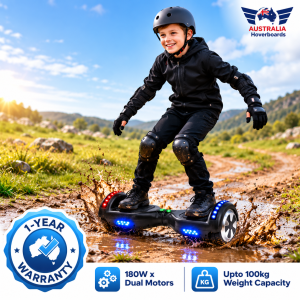
| Maximum weight capacity | 100 kg |
| Motor | 2 × 250W |
| Wheel size | 6.5-inch |
| Maximum speed | Up to 12 km/h |
| Battery range | 10–15 km |
| Hoverboard weight | 7.5 kg |
| Charging time | 2–3 hours |
These are the specifications published on the product page.
The 100 kg maximum capacity makes this particular model an option for riders whose weight falls within the stated limit.
You can view the Australia Hoverboards 6.5-Inch Blue Chrome Hoverboard to check its current specifications and availability.
Important: The 100 kg capacity applies to this listed model. Don’t assume that all hoverboards with 6.5-inch wheels have the same maximum load.
4. What Happens If You Exceed a Hoverboard’s Weight Limit?
Riding above the manufacturer’s recommended weight capacity isn’t a good idea.
A hoverboard is designed to operate within a specified load range. Exceeding that range can put additional stress on its motors, battery, sensors and structural components.
Here are some potential problems.
Motor Strain
The motors need to work harder to respond to the rider’s movements and maintain balance.
Excessive load can affect how smoothly the hoverboard accelerates, turns and operates.
Reduced Battery Performance
Higher loads can increase the energy required to move the board.
As a result, riders may notice shorter battery performance compared with the conditions used for the manufacturer’s stated range.
Difficulty Maintaining Balance
The balancing system is designed around the manufacturer’s specified operating limits.
Overloading the board can affect its response and make riding less predictable.
Increased Component Wear
Continued use above the recommended capacity may place additional stress on internal components, wheels and other parts.
This can contribute to premature wear or damage.
Increased Risk of Falling
Perhaps most importantly, an overloaded hoverboard may not respond as intended.
A loss of balance can result in a fall and injury.
Our advice: Never exceed the maximum rider weight stated in the product manual. If you’re close to the limit, consider a model with a suitable higher capacity rather than assuming the board will handle additional weight.
5. Does Hoverboard Wheel Size Affect Weight Capacity?
Wheel size is one of the specifications buyers often compare when choosing a hoverboard.
You’ll commonly find different wheel sizes, including 6.5-inch, 8-inch and 8.5-inch models.
However, a bigger wheel doesn’t automatically mean a higher weight capacity.
Wheel size is mainly associated with the board’s design, ground clearance and suitability for different riding surfaces. Maximum rider weight depends on the complete construction and the manufacturer’s specifications.
Here’s a simple comparison of what to consider:
6.5-Inch Hoverboards
These are generally compact and convenient for riders who want a smaller board for suitable smooth surfaces.
They can be a practical option for beginners, depending on the rider’s weight and the model’s specifications.
8-Inch Hoverboards
These offer a different platform and wheel configuration. Some models are designed with larger foot platforms or more substantial motor systems.
Check the individual model’s maximum weight rather than assuming it supports more weight than a 6.5-inch board.
8.5-Inch Off-Road Hoverboards
Larger off-road-oriented models are designed for different riding conditions and may feature larger tyres and more powerful motors.
However, their maximum rider capacity still needs to be confirmed through the manufacturer’s specifications.
If you’re comparing sizes before purchasing, our guide to 6.5-Inch vs 8.5-Inch Hoverboards in Australia explains the differences in more detail.
6. How to Choose the Right Hoverboard Based on Rider Weight
Choosing the right hoverboard becomes easier when you start with the rider rather than the product’s appearance.
Here are five things to check before placing an order.
Check the Maximum Weight Capacity
Start with the manufacturer’s stated maximum weight.
If the rider weighs 75 kg, for example, a model with a 100 kg maximum capacity is within its stated weight range.
Don’t choose a board that only just falls below the rider’s weight.
Check the Minimum Rider Weight
For children, this is just as important as the maximum limit.
Make sure the child meets the model’s minimum weight requirement so the balancing sensors can respond as intended.
Compare Motor Specifications
Motor power is another factor to consider when choosing a hoverboard.
Dual motors help power the two sides of the board, but higher wattage alone does not establish a higher safe rider capacity.
Always assess motor specifications alongside the manufacturer’s maximum load.
Consider Where the Hoverboard Will Be Used
Think about whether the rider will use the board on smooth private surfaces or suitable outdoor terrain.
Different models are designed for different surfaces. A larger wheel size doesn’t make a hoverboard suitable for every type of ground.
Read the Product Specifications Before Buying
This is one of the simplest ways to avoid choosing the wrong model.
Check the product description, maximum weight, minimum weight, recommended age and operating manual.
At Australia Hoverboards, you can compare different models and styles to find one that suits the intended rider.
7. Can Adults Ride Children’s Hoverboards?
This is a common question, particularly when parents are purchasing a hoverboard for their children and want to try it themselves.
The answer depends on the individual model.
Some hoverboards are designed for a wider range of riders, while others have more limited weight capacities.
For example, the Australia Hoverboards 6.5-inch Blue Chrome model has a listed maximum rider capacity of 100 kg. An adult whose weight is within the manufacturer’s specified range may therefore meet that particular weight requirement.
However, weight capacity alone doesn’t determine whether a hoverboard is suitable for an adult.
You should also consider:
- Footpad size and comfort.
- Rider experience and balance.
- Motor and battery specifications.
- Recommended riding surfaces.
- Manufacturer safety instructions.
Always make sure the rider meets the product’s minimum and maximum weight requirements.
8. Safety Tips for Riding Within the Recommended Weight Limit
Choosing a hoverboard with the correct weight capacity is only one part of safe riding.
Good riding habits and regular checks are also important.
Before riding:
- Check the hoverboard for visible damage.
- Make sure the battery is adequately charged.
- Inspect the wheels and footpads.
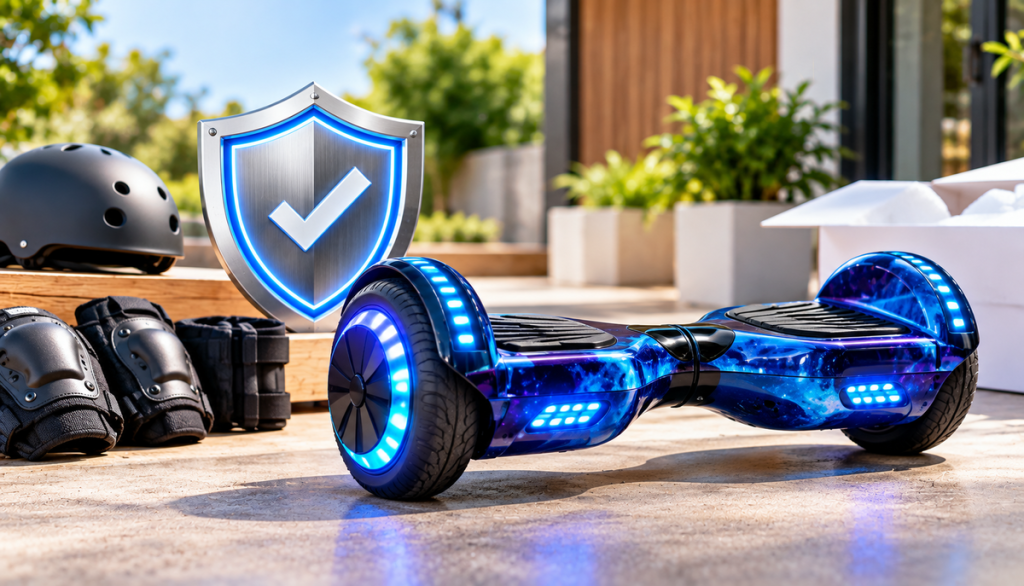
- Wear a properly fitted helmet.
- Use suitable knee, elbow and wrist protection.
- Practise in an open, flat and dry area.
- Follow the manufacturer’s operating instructions.
- Never allow two people to ride one hoverboard together.
Avoid riding in wet conditions or on surfaces that are unsuitable for your model.
Parents should supervise children and make sure they are comfortable balancing before allowing them to ride independently.
For more practical advice, read our guide to Hoverboard Safety Tips: Things You Shouldn’t Do.
9. Frequently Asked Questions About Hoverboard Weight Limits
1. How much weight can a standard hoverboard hold?
There is no universal weight capacity for all hoverboards. The maximum depends on the model and manufacturer specifications. For example, the Australia Hoverboards 6.5-inch Blue Chrome model has a listed maximum capacity of 100 kg.
2. What is the minimum weight for a hoverboard?
The minimum rider weight varies by model. Many Australia Hoverboards products have a recommended minimum weight of 25 kg, but buyers should check the specific product manual before allowing a child to ride.
3. Can a 100 kg person ride a hoverboard?
A person weighing 100 kg may meet the maximum weight specification of a hoverboard rated for 100 kg. However, they should not exceed that limit, and the manufacturer’s other riding requirements must also be followed.
4. Does a bigger hoverboard support more weight?
Not necessarily. Larger wheels and a bigger body don’t automatically mean higher weight capacity. Always check the maximum load specified for the exact model.
5. What happens if a child is too light for a hoverboard?
If a child is below the recommended minimum weight, the footpad sensors may not respond consistently. This can make balancing and controlling the board difficult. Choose a model that matches the child’s weight and ability.
6. Does rider weight affect hoverboard battery life?
Yes, rider weight can affect energy consumption. A heavier rider within the permitted weight range may use more battery power than a lighter rider, depending on terrain, speed and riding conditions.
7. Can two people ride one hoverboard?
No. Hoverboards are designed for one rider at a time. Carrying two people can exceed the permitted load and make the board difficult to control.
Choose the Right Hoverboard at Australia Hoverboards
Whether you’re buying a hoverboard for a child, teenager or adult, checking the weight capacity is an important step before making your decision.
A suitable hoverboard should match the rider’s weight, experience and intended use. Don’t rely on wheel size or appearance alone. Always check the manufacturer’s specifications and follow the operating instructions.
At Australia Hoverboards, you can explore different hoverboard styles, sizes and designs to find an option that suits your requirements.