
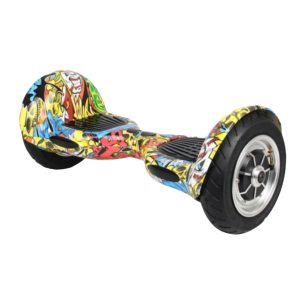
Hoverkart vs Hoverboard: Which Is Right for Your Child?
Disha Shah
22 October 2026
13 Minutes Read
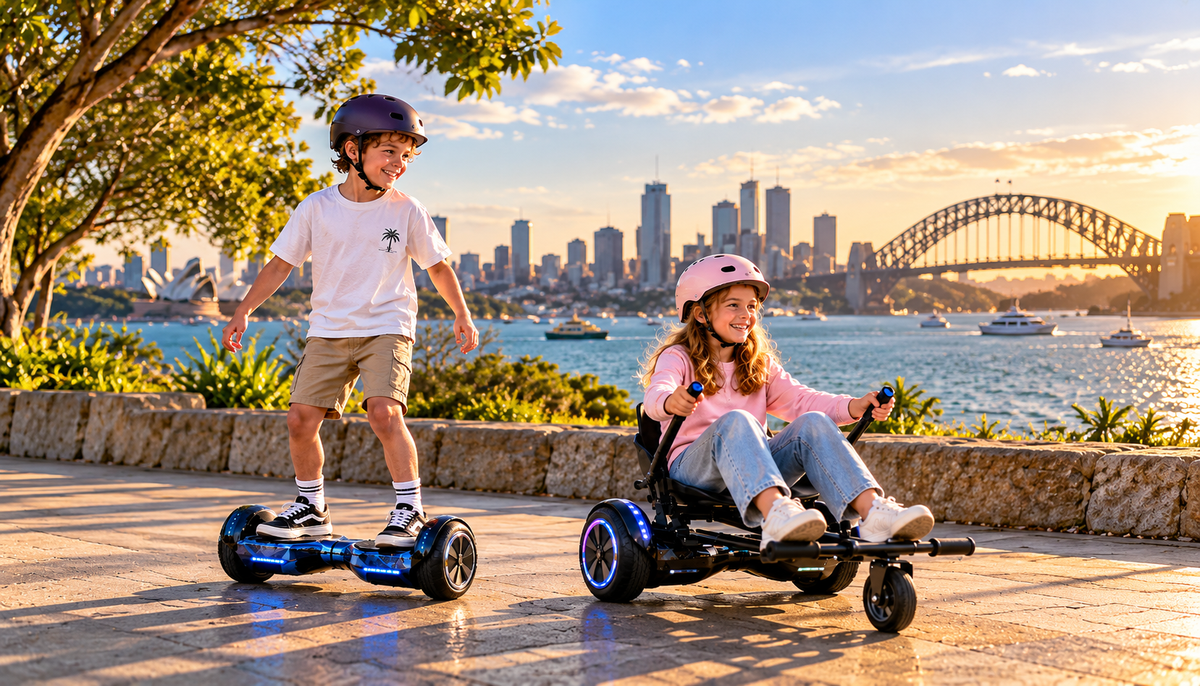
Choosing between electric ride-on devices for a child can be challenging, especially when it comes to distinguishing hoverkart vs hoverboard. Whereas both can provide hours of fun and a great recreational experience, the two devices are pretty different.
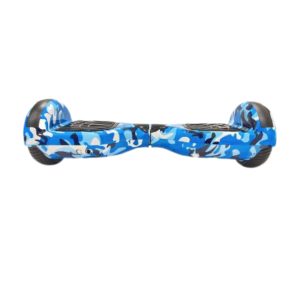
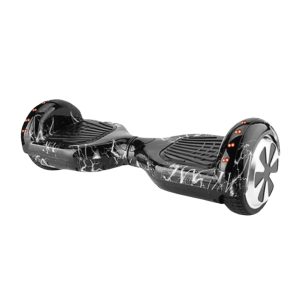
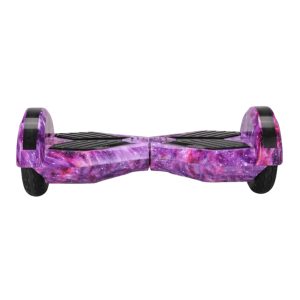
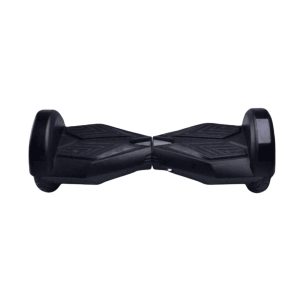
A hoverkart is an attachment that transforms a compatible hoverboard into a different device that is ridden while sitting down whereas the hoverboard itself is designed to be controlled while standing and utilizing the self-balancing technology built into the board.
With that said, if someone is looking for a transport device that they can squeeze in a corner when not in use, a 6.5 hoverboard can be a great option. As an Australian retailer, we carry different variations of the self-balancing boards but understand that some may find selecting the perfect board challenging. As such, this guide will highlight the major differences between the two devices and outline the pros and cons of both options.
Hoverkart vs Hoverboard: Comparison Guide
The main difference between the two devices is the riding position.
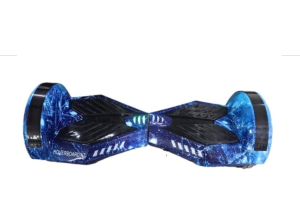
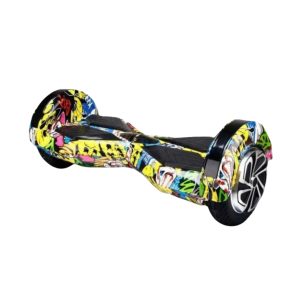
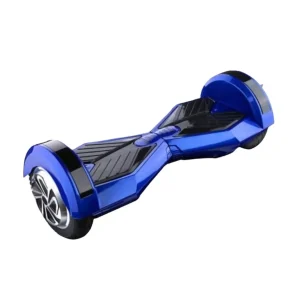
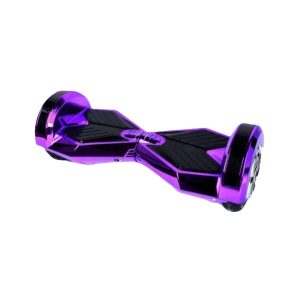
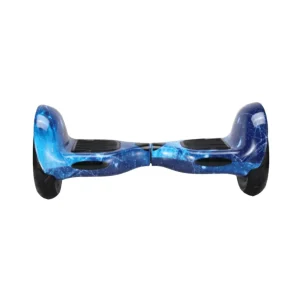
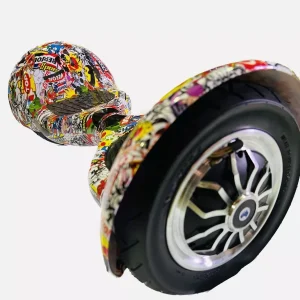
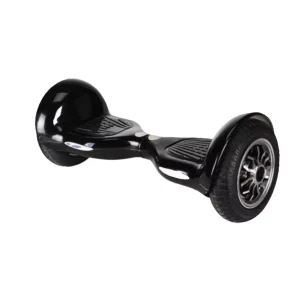
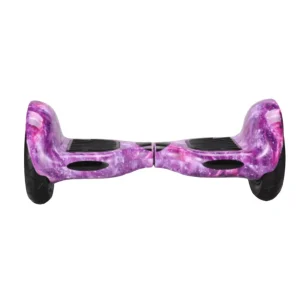
The hoverboard is a self-balancing board that can be controlled by leaning and shifting the body. By contrast, the hoverkart is essentially a board attachment that allows the rider to sit in a nearly upright position. Notably, the hoverkart is usually not equipped with a self-balancing function but utilizes hand controls to maneuver the device. Overall, because of the different technologies utilized in the two devices, the hoverkart will provide a more ‘go-kart’ type of experience while the hoverboard will give a more authentic self-balancing board experience.
Hoverboard vs Hoverkart Comparison
| Feature | Hoverboard | Hoverkart |
|---|---|---|
| Riding position | Standing | Seated |
| Steering | Body movement and balance | Hand-controlled steering |
| Portability | Compact and easier to carry | Larger when attachment is fitted |
| Storage | Easy to store | Requires additional space |
| Setup | Ready to ride once charged | Requires a compatible attachment |
| Riding experience | Self-balancing | Go-kart-style |
| Versatility | Can be ridden independently | Depends on a compatible hoverboard |
| Best for | Riders wanting a compact personal ride | Riders specifically wanting a seated setup |
Why Choose a Hoverboard?
For many families, the simplicity of a hoverboard is an advantage.
There is no separate frame or seat. Once the battery is fully charged and the product has been inspected according to the manufacturer’s instructions, the hoverboard is ready for its intended purpose.
A hoverboard is also much easier to carry and store than a hoverboard-and-kart combination.
1. Compact and Easy to Store
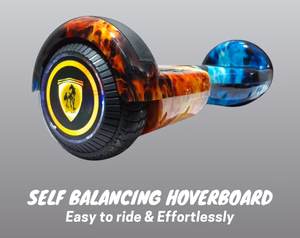
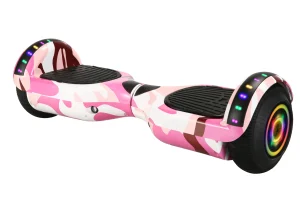
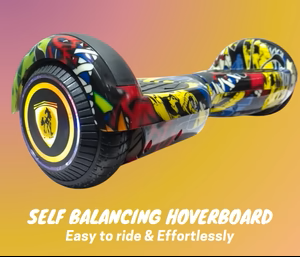
A 6.5-inch hoverboard has a relatively compact footprint, allowing for easier storage at home or to be transported when needed.
This can be especially useful for families that don’t want another bulky item to store in the garage or spare room.
2. No Additional Kart Attachment
A hoverkart requires a compatible kart frame and appropriate connection points.
With a standard hoverboard, there is no additional attachment to install. This ensures that the rider has a simple product that they can use in the hoverboard’s intended configuration.
3. More Versatile Riding Experience
A hoverboard provides a standing riding experience and doesn’t require the rider to be attached to a kart attachment.
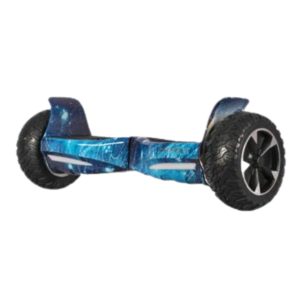
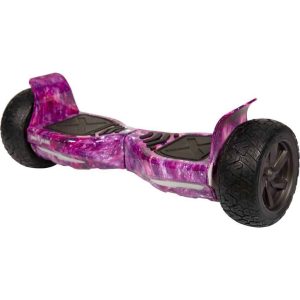
Different hoverboards also have various features, such as LED wheels, Bluetooth speakers, remote control and a variety of available wheel sizes depending on the model.
4. Easier to Carry
A lightweight hoverboard can be picked up and carried with relative ease compared to a hoverboard with a more substantial kart frame attachment.
This makes carrying a hoverboard one of the practical advantages of choosing a standalone hoverboard.
What Are the Advantages of a Hoverkart?
A hoverkart does offer one clear advantage over a hoverboard: the ability to sit and ride in a seated position.
Some riders may find a seated position more comfortable than standing, and the steering mechanism gives the hoverkart a more go-kart feeling.
However, a hoverkart is not a completely separate electric vehicle in most cases, and generally requires a specific hoverboard for the motor and battery power.
This means that parents need to consider compatibility, additional equipment, storage needs and whether the attachment is suitable for the particular hoverboard.
Is a Hoverboard Better for a Child?
There is not one clear answer for every child, and the choice depends on several factors.
These include the child’s age, size, coordination level, confidence and ability to follow the necessary safety instructions, as well as any specific requirements from the manufacturer of the chosen hoverboard model.
If the child is able to learn how to use a self-balancing device and a compact, straightforward hoverboard is more appropriate, this is a good option.
However, parents should always consider the minimum rider age, maximum rider weight and safety instructions from the manufacturer before allowing their child to use a hoverboard.
What Should Parents Look for in a Child’s Hoverboard?
Don’t make the choice of a hoverboard based purely on aesthetics. Consider the following before purchasing a hoverboard:
Rider Weight Limit
Ensure that the rider’s weight is within the specified limit provided by the manufacturer.
Wheel Size
For smaller recreational hoverboards, 6.5-inch wheels are a popular compact option. Larger wheels can be found in different hoverboard models and can provide a different riding experience.
Battery and Charging
Consider the battery specifications, estimated time to charge and charging instructions provided by the manufacturer. Always use the supplied or approved charger.
Safety Features
Look for appropriate battery-management and protection systems and ensure that all manufacturer safety instructions are followed.
Build Quality
A hoverboard should be appropriate for its intended purpose and constructed from quality materials. Don’t choose a hoverboard based solely on the cheapest price.
Weight and Portability
If the child will require assistance carrying the hoverboard, consider the product weight before making a purchase.
Hoverboard Safety for Children
Safety should be the primary concern when it comes to hoverboards and children.
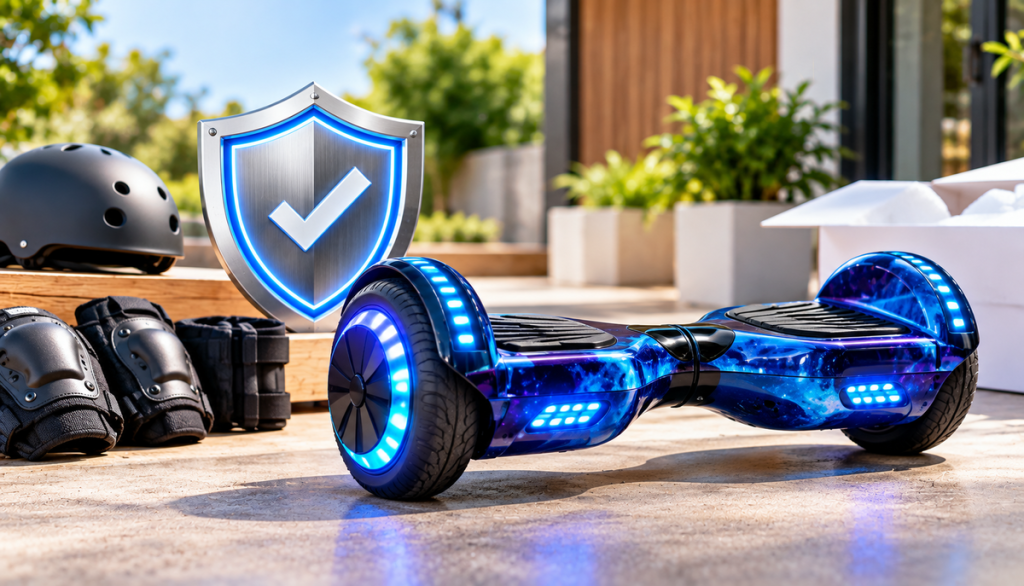
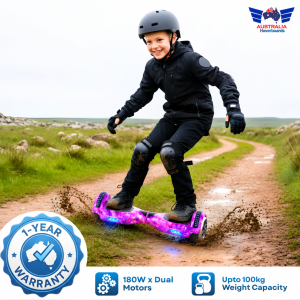
Children should wear appropriate safety equipment, such as a correctly sized helmet and protective knee and elbow pads where applicable.
Before riding:
- Read the instruction manual provided by the manufacturer.
- Inspect the hoverboard for any visible damage.
- Ensure the battery and charger are in good condition.
- Charge the product in accordance with the manufacturer’s instructions.
- Begin riding in an appropriate and controlled environment or area.
- Avoid roads, steep hills, uneven surfaces and other hazards.
- Never exceed the manufacturer’s rider weight limit.
- Ensure the child knows how to stop and dismount the hoverboard safely.
- Always follow local laws in relation to hoverboard use in your state or territory in Australia.
Parents should ensure that young or inexperienced riders are supervised and should only permit riding in areas where it is legal and appropriate to do so.
Hoverkart or Hoverboard: Which Should You Choose?
If a seated, go-kart style experience is the primary priority, a hoverkart attachment is a good option.
However, if the family is looking for a compact, straightforward and versatile hoverboard experience, a hoverboard is a better choice in most cases.
A hoverboard doesn’t require a separate frame, is more compact and easier to store and can be used without additional attachments. It also provides the traditional self-balancing riding experience that hoverboards are known for.
Our Choice: Hoverboard
At Australia Hoverboards, we specialise in hoverboards rather than hoverkart attachments. If you’re looking for a compact recreational ride with features such as LED lighting, Bluetooth speakers and a variety of wheel sizes, look through our range of hoverboards and choose a model that suits the rider’s requirements.
Always ensure that all product specifications, manufacturer safety instructions and applicable Australian laws are followed before purchasing or using a hoverboard.