
Off-Road vs Regular Hoverboards: What’s the Difference?
Disha Shah
16 October 2026
20 Minutes Read
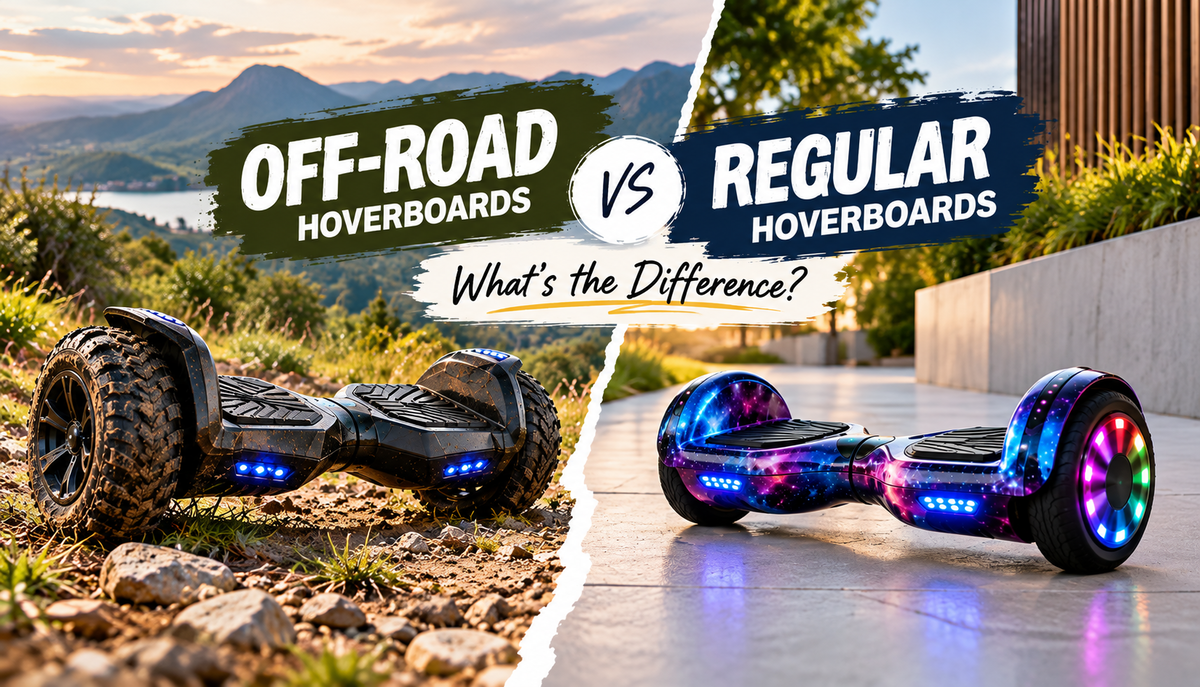
Choosing a hoverboard sounds simple until you start comparing wheel sizes, motor power and different models. Some hoverboards are designed for smooth paths and everyday fun, while others are built to handle more challenging outdoor surfaces.
So, which one is right for you?
If you’re buying a hoverboard for your child, looking for something to enjoy on weekends, or comparing options for older riders, the biggest question is where you’ll be riding it. A hoverboard that works brilliantly on a smooth driveway might struggle on loose gravel or uneven grass.
In this guide, we’ll explain the difference between off-road and regular hoverboards, what to look for before buying, and how to choose the right option for your riding needs in Australia.
What Is a Regular Hoverboard?
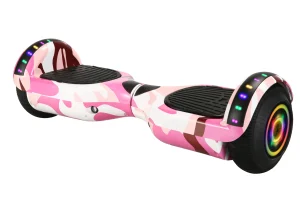
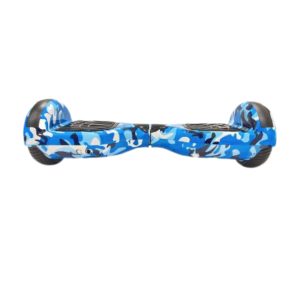
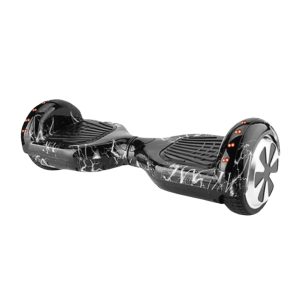
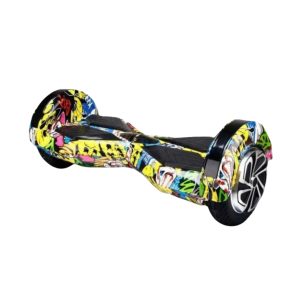
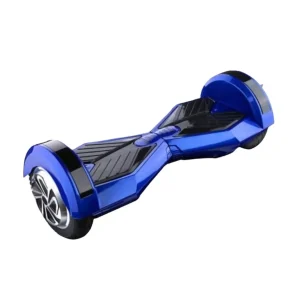
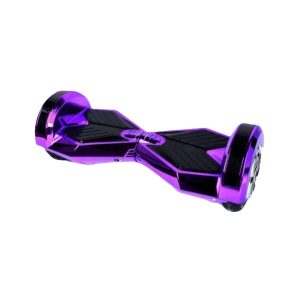
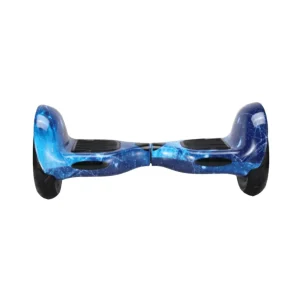
A regular hoverboard is a self-balancing electric ride designed primarily for smooth, even surfaces. These models are popular with beginners, children and recreational riders who want something easy to learn and enjoyable to use.
Most conventional models feature relatively compact wheels, a self-balancing system and a rechargeable battery. Depending on the model, you may also find LED lights, Bluetooth speakers and other entertainment features.
Regular hoverboards are generally best suited to:
- Smooth driveways and paved areas where riding is permitted.
- Flat, even paths and suitable hard surfaces.
- Beginners learning to balance and control their board.
- Recreational riding in appropriate outdoor spaces.
Their compact design can make them easier to handle, store and transport than some larger off-road models.
However, smaller wheels can make bumps, loose stones and uneven surfaces more difficult to manage. If you expect to ride frequently on grass or gravel, it is worth considering a model designed specifically for those conditions.
What Is an Off-Road Hoverboard?
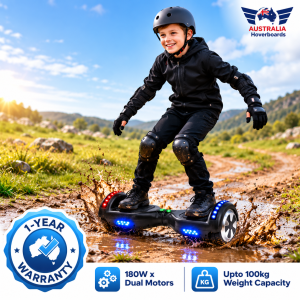
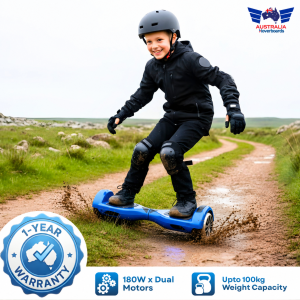
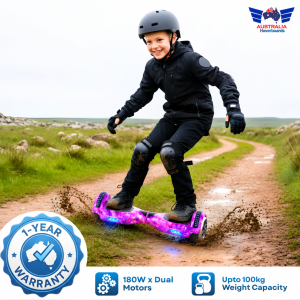
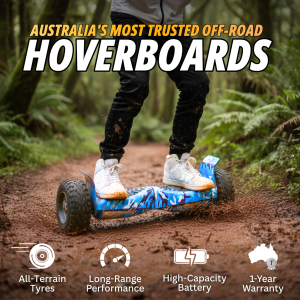
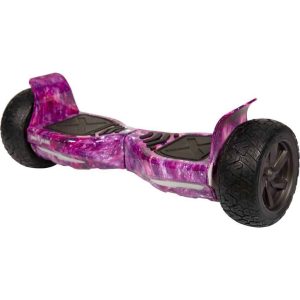
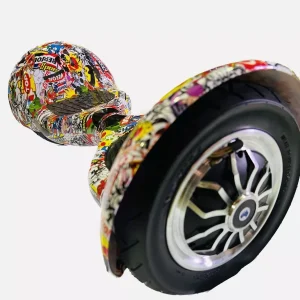
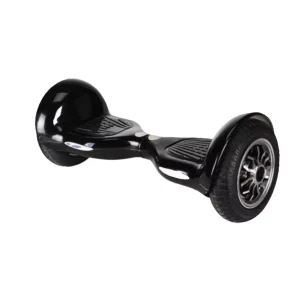
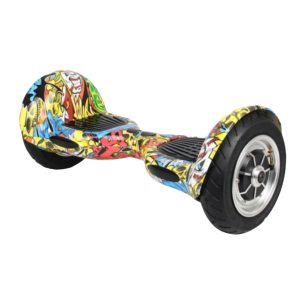
An off-road hoverboard is designed to offer better capability on suitable uneven outdoor terrain. Compared with a typical small-wheel hoverboard, it may feature larger tyres, a more powerful motor setup and a design intended for more demanding surfaces.
These features can help the board maintain traction and move across ground that would be uncomfortable or difficult for a conventional model.
Off-road hoverboards are worth considering for:
- Suitable grass and compacted dirt.
- Gravel paths and outdoor tracks, where permitted.
- Uneven ground that remains within the manufacturer’s recommendations.
- Riders who want more outdoor versatility than a standard small-wheel model offers.
One important point: off-road does not mean suitable for every surface. Deep sand, mud, wet grass, steep slopes and large obstacles can still cause problems. Always check the individual model’s instructions and avoid riding in conditions it is not designed to handle.
Off-Road vs Regular Hoverboards: The Main Differences
Here is a quick comparison to help you understand which type may suit your needs.
| Feature | Regular hoverboard | Off-road hoverboard |
|---|---|---|
| Wheel size | Often around 6.5 inches | Commonly 8.5 inches or larger, depending on model |
| Tyres | Generally designed for smooth surfaces | Often larger and more rugged |
| Terrain | Best on suitable flat, hard surfaces | Better suited to selected grass, gravel and uneven terrain |
| Motor setup | Varies by model | May offer a more powerful motor setup |
| Handling | Compact and easy to manoeuvre on smooth ground | Designed to offer more capability on suitable uneven surfaces |
| Portability | Often lighter and easier to carry | May be heavier and bulkier |
| Best use | Everyday recreational riding on smooth surfaces | Outdoor riding on suitable mixed terrain |
| Price | Depends on features and specifications | May cost more, depending on construction and performance |
These are general differences rather than guarantees. Wheel size alone does not determine performance, and specifications vary between models.
1. Wheel Size and Tyre Design
Wheel size is one of the first things worth checking when comparing hoverboards.
Regular hoverboards commonly use smaller wheels, such as 6.5-inch wheels. These can work well on smooth, even ground and help keep the overall board relatively compact.
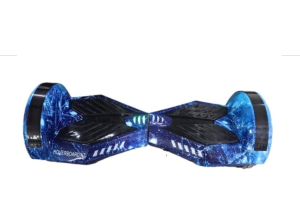
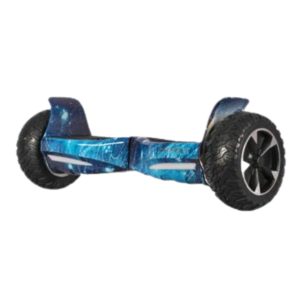
Off-road models often use larger wheels, such as the 8.5-inch wheels found on the NS8 Off-Road Hoverboard available from Australia Hoverboards.
Larger wheels can help the board roll over small surface irregularities more effectively. Tyre construction and tread also matter because they influence grip and how the board responds to different surfaces.
If most of your riding will take place on a flat driveway, a smaller-wheel model may be sufficient. If you regularly encounter suitable grass, gravel or uneven outdoor paths, a larger-wheel off-road model may be the more practical option.
2. Motor Power and Riding Performance
Motor power affects how a hoverboard responds to the rider and the terrain. However, more wattage does not automatically mean a better riding experience for everyone.
A regular hoverboard can offer enough performance for relaxed recreational riding on suitable smooth surfaces. An off-road model may use a more powerful dual-motor setup to help it cope with additional resistance from uneven ground.
For example, the Australia Hoverboards NS8 Off-Road Hoverboard is listed with dual 350W motors. This makes it a useful model to consider if you are comparing larger-wheel off-road options.
Before buying, look beyond the motor rating. Check the recommended rider weight, maximum speed, battery specifications and any limitations on terrain. These details give you a more complete picture of what the board can actually do.
3. Where Can You Ride Each Type?
Your intended riding location should play a major role in your decision.
Regular hoverboards
A regular hoverboard is generally a sensible choice if you expect to ride mainly on smooth, even surfaces. It may suit a beginner who wants to practise balancing or a family looking for recreational use in an appropriate private area.
Off-road hoverboards
An off-road hoverboard may be more suitable if your intended riding areas include compacted dirt, suitable grass and gravel paths. Larger wheels and the right tyre design can make a noticeable difference on these surfaces.
Remember that even an off-road model has limits. Hidden holes, tree roots, loose stones and damp patches can affect balance and control. Ride slowly when assessing unfamiliar ground, and never assume that a surface is safe simply because the hoverboard has larger tyres.
For more advice, read our guide: Can You Ride a Hoverboard on Grass or Gravel?.
4. Comfort, Stability and Control
It is tempting to assume that an off-road hoverboard is automatically more stable than a regular one. In reality, stability depends on several factors, including wheel design, platform construction, rider weight, surface conditions and the rider’s experience.
Smaller-wheel models can feel manageable on smooth ground because of their compact design. Larger-wheel models may cope better with certain bumps and uneven patches, but they can also feel bulkier to carry or manoeuvre.
If you’re a beginner, choose a model that suits your experience and practise in a clear, flat area before attempting more challenging terrain. Learn how to mount, dismount, turn and stop safely before increasing your riding difficulty.
For parents, it is particularly important to check the manufacturer’s age guidance, rider weight limits and recommended protective equipment before choosing a board for a child.
5. Battery Life, Range and Charging
Battery performance is another factor that deserves attention when comparing regular and off-road hoverboards.
The actual riding range depends on battery capacity, rider weight, speed, terrain, temperature and riding style. Uneven ground can require more energy than smooth surfaces, so the advertised range may not reflect every off-road ride.
Rather than choosing a hoverboard based on one headline range figure, check the specifications for the exact model you intend to purchase.
Consider these questions:
- How far do you realistically expect to ride?
- How long does the battery take to recharge?
- Is the stated range suitable for your intended use?
- Does the manufacturer provide clear battery-care instructions?
Allow the battery to cool as directed before charging, use the supplied or manufacturer-approved charger, and never charge a damaged battery or board.
6. Price and Value for Money
The cheapest hoverboard is not necessarily the best value, and the most expensive model may offer features you never use.
Regular hoverboards can be a practical option if your main priorities are smooth-surface riding, a compact design and recreational use. Off-road models may justify their additional cost if you genuinely need larger wheels and more capability on suitable outdoor terrain.
When comparing prices, look at the whole package: motor specifications, battery details, rider weight limits, warranty, after-sales support and safety information.
Australia Hoverboards offers both smaller-wheel hoverboards and off-road options, giving shoppers a way to compare different designs and choose according to their intended use.
Browse the 6.5-inch Hoverboard Collection or explore the Off-Road Hoverboard Collection.
Which Hoverboard Should You Choose?
The right choice depends on how and where you plan to ride.
Choose a regular hoverboard if:
- You mainly ride on smooth, even surfaces.
- You prefer a compact board that is easier to transport.
- You want a straightforward option for recreational riding.
- You do not need the additional terrain capability of an off-road model.
Choose an off-road hoverboard if:
- You expect to ride on suitable grass, gravel or compacted dirt.
- You want larger wheels designed for more challenging surfaces.
- You value outdoor versatility and understand the model’s limitations.
- The specifications match your weight, experience and intended riding conditions.
If you’re still unsure, start by identifying the surfaces where you’ll spend most of your riding time. That will usually narrow the options more effectively than choosing based on appearance alone.
Explore Hoverboards at Australia Hoverboards
At Australia Hoverboards, you can compare different wheel sizes and designs to find a board that suits your riding preferences.
If you want a compact option for smooth-surface recreation, explore the 6.5-inch range. If you need a model designed for suitable uneven terrain, take a closer look at the NS8 Off-Road Hoverboard and its 8.5-inch wheels and dual 350W motors.
Before placing an order, review the individual product page for current availability, specifications, warranty details and safety information.
Frequently Asked Questions
Are off-road hoverboards better than regular hoverboards?
Neither type is universally better. Regular hoverboards can be suitable for smooth, even surfaces, while off-road models are designed to handle selected uneven terrain more effectively. The best option depends on your riding location and requirements.
Can a regular hoverboard ride on grass?
Some regular hoverboards may manage very short stretches of firm, even grass, but smaller wheels can struggle with uneven ground, holes and loose material. If grass riding is a regular part of your plans, consider an off-road model and follow its terrain recommendations.
Are off-road hoverboards suitable for beginners?
They can be, provided the rider follows the manufacturer’s age and weight guidance and learns the basics in a safe, flat area. Larger wheels do not remove the need for practice, protective equipment and careful riding.
Do off-road hoverboards have a longer battery range?
Not necessarily. Range depends on the battery and several other factors, including terrain, rider weight and riding style. Rougher surfaces can consume more energy, so compare the published specifications for each model.
Are larger-wheel hoverboards always more stable?
No. Larger wheels may help a hoverboard deal with some surface irregularities, but stability also depends on the board’s design, the rider’s experience and the terrain.
What should I check before buying a hoverboard in Australia?
Check the model’s wheel size, motor power, battery specifications, rider weight limits, warranty and safety documentation. Confirm that the board is appropriate for your intended riding area and check the relevant Australian rules before use.
Final Thoughts
The difference between an off-road and regular hoverboard comes down to design and intended use. A compact, smaller-wheel model can be a good match for smooth surfaces, while an off-road hoverboard may be more suitable for riders who need additional capability on selected outdoor terrain.
Think about where you’ll ride, what features you genuinely need and which specifications matter most. With those details in mind, you can choose a hoverboard that fits your lifestyle rather than paying for features you may never use.