
UL2272 Certified Hoverboards: What Australian Buyers Need to Know
Disha Shah
21 October 2026
19 Minutes Read
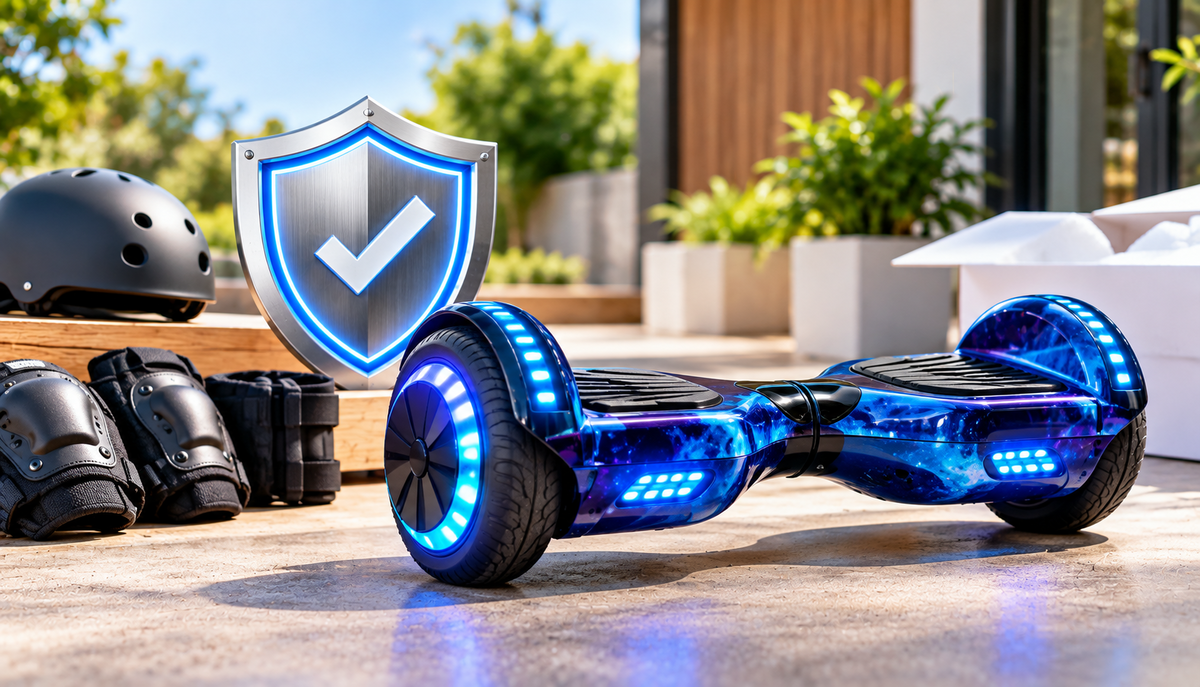
Buying a hoverboard should be fun, but as with any purchase, you should look at safety as well as price, speed and style. If you’re choosing a hoverboard for your child, teenager or yourself, one term you should know is UL 2272 certificated.
UL 2272 certificated is a standard that assesses the electrical systems and relevant fire-safety hazards of self-balancing scooters and other personal e-mobility devices.
While UL 2272 certification doesn’t ensure that all aspects of a hoverboard are safe, or that it complies with Australia’s product safety requirements, it does provide important information on the specific risks associated with the drive system, battery and charger.
At Australia Hoverboards, we want Australian buyers to know what certification means, what evidence to check and how to choose a hoverboard with more confidence. Whether you’re comparing a small 6.5 inch hoverboard for your child or a larger hoverboard for an experienced rider, here’s what you need to know before buying.
What Is UL 2272 Certification?
UL 2272 certification applies to the electrical systems of self-balancing scooters and related personal mobility devices. It provides an assessment of the electrical and fire-safety risks associated with the drive system, battery and charger.
Lithium-ion battery packs can present a fire-safety risk if they are inadequately sized, protected or matched to the hoverboard’s electrical components.
Testing under UL 2272 assesses these system-level hazards, rather than treating the battery, charger and electrical components as stand-alone items.
As a buyer, the takeaway point is that you mustn’t be tempted to overlook a hoverboard based solely on its looks and price. Ask for evidence that the particular model has been tested and certified.
Is UL 2272 Certification Required for Hoverboards in Australia?
Australia has a mandatory standard for self-balancing scooters known as the Consumer Goods (Self-balancing Scooters) Safety Standard 2018. This sets out the requirements that apply to self-balancing scooters.
While suppliers are responsible for ensuring that their products meet applicable requirements, the standard includes alternative compliance pathways based on UL 2272 and other relevant international standards.
This means that buyers mustn’t always assume that a product is compliant simply because a seller has used the term “certified” in an advertisement. Before you buy, always double check that the exact model you’re considering complies with the Australian requirements and ask the retailer to provide relevant supporting documentation.
What Does UL 2272 Actually Test?
UL 2272 assesses the electrical systems and relevant fire-safety hazards of self-balancing scooters and other personal e-mobility devices. That means it doesn’t test every aspect of your riding experience. Here are the main areas that buyers should consider.
1. Battery and Electrical Safety
The battery is usually one of the most important components in an electric hoverboard. Inadequate battery protection, cells or connections may create a fire-safety hazard.
Electrical system testing assesses relevant hazards associated with the integrated electrical components of the device.
2. Charging System
The charger and battery must work together. A buyer must never try to use a replacement charger that isn’t compatible with the battery in their hoverboard. Even if a hoverboard originally came with an appropriate charging system, you must only use the charger specified by the manufacturer for your model.
3. Electrical Drive System
A hoverboard’s integrated motors, harnessing and other components must all work together. UL 2272 assesses relevant electrical hazards arising from this integrated design.
4. Fire and Overheating Risks
Lithium-ion battery failures can result in dangerous overheating and pose a fire-safety risk. Electrical and fire-safety testing helps assess hazards associated with charging, discharging and other functions.
Important: UL 2272 certification doesn’t guarantee that a hoverboard can never catch fire, and it doesn’t certify rider skill, braking performance or overall product reliability.
How to Check Whether a Hoverboard Is UL 2272 Certified
Before paying for a hoverboard, take a few minutes to check the claims made by the seller. Here’s a step-by-step guide to help you.
Step 1: Identify the Exact Model
Take note of the manufacturer, model number and any other information that might appear on the product or its packaging.
UL certification for one model doesn’t always mean that all products made by the same manufacturer are certified.
Step 2: Look for the UL Certification Mark
Check the product, its packaging and accompanying documentation for the UL certification mark.
A logo or sticker alone isn’t conclusive proof. Look for supporting documentation that connects the certification to the exact model you’re considering.
Step 3: Check the Certification Directory
Use UL Solutions’ certification resources to double check the information. The manufacturer’s name and model details should match the documentation available for the product. You can start by looking at UL Solutions’ personal e-mobility testing and certification information.
Step 4: Confirm Australian Compliance
UL 2272 certification and Australian product compliance are two related, but separate requirements. Ask the retailer for evidence that the product complies with the Australian mandatory safety standard.
Step 5: Check the Charger and Instructions
Make sure that the product includes the appropriate charger and operating and charging instructions. Avoid products that have missing or unclear documentation or that provide insufficient information about the battery.
What Else Should You Check When Buying a Hoverboard?
Certification is an important requirement, but there are other factors that you should look at when choosing a hoverboard.
Choose the Right Wheel Size
Wheel size affects your riding experience and is suited to particular riders and environments.
A 6.5 inch hoverboard may suit some beginner riders and casual riders better than larger-wheel models. Always look at the manufacturer’s age, weight and use recommendations rather than choosing a model simply based on wheel size.
Check the Rider Weight Limit
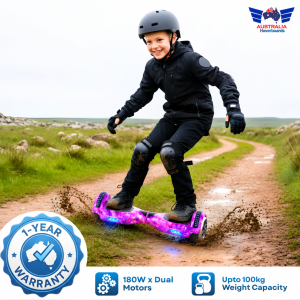
Every model has specified rider weight limits. These are important to follow to ensure that the device is used as intended.
Check the minimum and maximum permitted weight before buying a hoverboard for a child or adult.
Review the Battery and Charger Specifications
Look for clear product and manufacturer information and a compatible supplied charger. Avoid products that have vague specifications or unsupported claims about battery performance.
Consider the Warranty and Support
A clear warranty, access to customer support and product documentation can make a big difference.
Check Where You Can Ride Legally
Hoverboard riding regulations vary between Australian states and territories, and public-path access may be limited. Before riding outdoors, check the current rules for your location rather than assuming that a certified hoverboard can be ridden on public roads, footpaths or shared paths.
Are UL 2272 Certified Hoverboards Safer for Kids?
When choosing a powered ride-on device for a child, electrical and battery safety is an important consideration for any parent. However, certification alone can’t make a hoverboard safer for every child. Before buying, consider the following:
- The manufacturer’s minimum age and weight requirements.
- Whether the child can balance and follow instructions.
- Whether the child has a learning mode option, if offered by this particular model.
- The stability and suitability of the chosen model for the rider.
- Appropriate protective equipment such as a properly fitted helmet and relevant protective pads.
- Adult supervision during learning.
Choose a model that matches the child’s abilities and follow all the manufacturer’s safety instructions.
Why You Should Avoid Choosing a Hoverboard Based on Price Alone
A very low price can be tempting, especially when buying a birthday or Christmas gift. But price alone can’t tell you whether a hoverboard meets required standards or is appropriate for a particular purpose. Before buying, always compare the documentation, battery and charger information, warranty, support and suitability of each model. A slightly cheaper product may not offer good value if its specifications are vague, or if the seller can’t provide credible evidence of compliance.
Read our related article, Budget vs. Safety: Why the Cheapest Hoverboard Could Cost You More, for more information on buying considerations. From there, you can compare the information provided for individual products in our current hoverboard range.
Hoverboard Battery Safety Tips for Australian Buyers
Good charging and storage habits are important even if a product has been appropriately tested. Follow these basic precautions:
- Use only the charger specified for your hoverboard.
- Charge according to the manufacturer’s instructions.
- Keep the device away from flammable materials while charging.
- Don’t charge a damaged hoverboard or charger.
- Stop using the device if you notice unusual heat, swelling, smoke, a burning smell or other signs of damage.
- Never ignore the manufacturer’s charging and storage instructions.
If a hoverboard or battery shows signs of a serious fault, move away from the immediate hazard and seek appropriate emergency assistance if there is smoke, fire or an immediate danger. Never attempt to handle a burning lithium-ion battery.
For more guidance see our article, Hoverboard Battery Safety Tips .
Shop Hoverboards with Safety in Mind at Australia Hoverboards
The purchase of a hoverboard involves more than choosing a colour or design you like. Following UL certification, checking the documentation for the particular model and following safe charging and storage practices can help you make a more informed decision. At Australia Hoverboards, you can compare our range of hoverboards and available models, features and specifications before choosing one for your needs.
Start with our hoverboard collection at Australia Hoverboards and review the product information carefully before purchasing. Make safety a part of your buying checklist: verify the model, understand the Australian requirements, use the correct charger and follow the manufacturer’s instructions.
Frequently Asked Questions
What does UL 2272 mean on a hoverboard?
UL 2272 is a standard that assesses the electrical systems and relevant fire-safety hazards of self-balancing scooters and other personal e-mobility devices.
Is UL 2272 certification mandatory in Australia?
Australia has a mandatory safety standard for self-balancing scooters. UL 2272 is one of the recognised compliance pathways specified by that standard, subject to its applicable requirements. Buyers should check that the exact product complies with the Australian rules.
Does UL 2272 certification guarantee that a hoverboard will never catch fire?
No. Certification helps assess specified electrical and fire-safety risks, but it can’t eliminate every risk. Correct charging, storage, inspection and following manufacturer instructions are equally important.
How can I check that a hoverboard is genuinely UL 2272 certified?
Identify the exact manufacturer and model, examine the certification mark and supporting documentation, and check the relevant UL certification records. Don’t rely on a generic logo or an unsupported seller claim.
Are all hoverboards from a certified brand automatically certified?
No. Always verify the certification for the particular model. Don’t assume that certification of one product extends to every product sold under the same brand.
What should I check before buying a hoverboard for my child?
Check the model’s safety documentation, compliance, age and weight limits, charger specifications, warranty and protective equipment recommendations. Choose a model that suits the child and supervise learning.
Where can I find official Australian hoverboard safety information?
The ACCC Product Safety website offers guidance on the mandatory standard and consumer safety advice for self-balancing scooters. See the ACCC guide to self-balancing scooters for more information.
Shop Australia Hoverboards to compare available models and make an informed choice based on safety and other requirements.